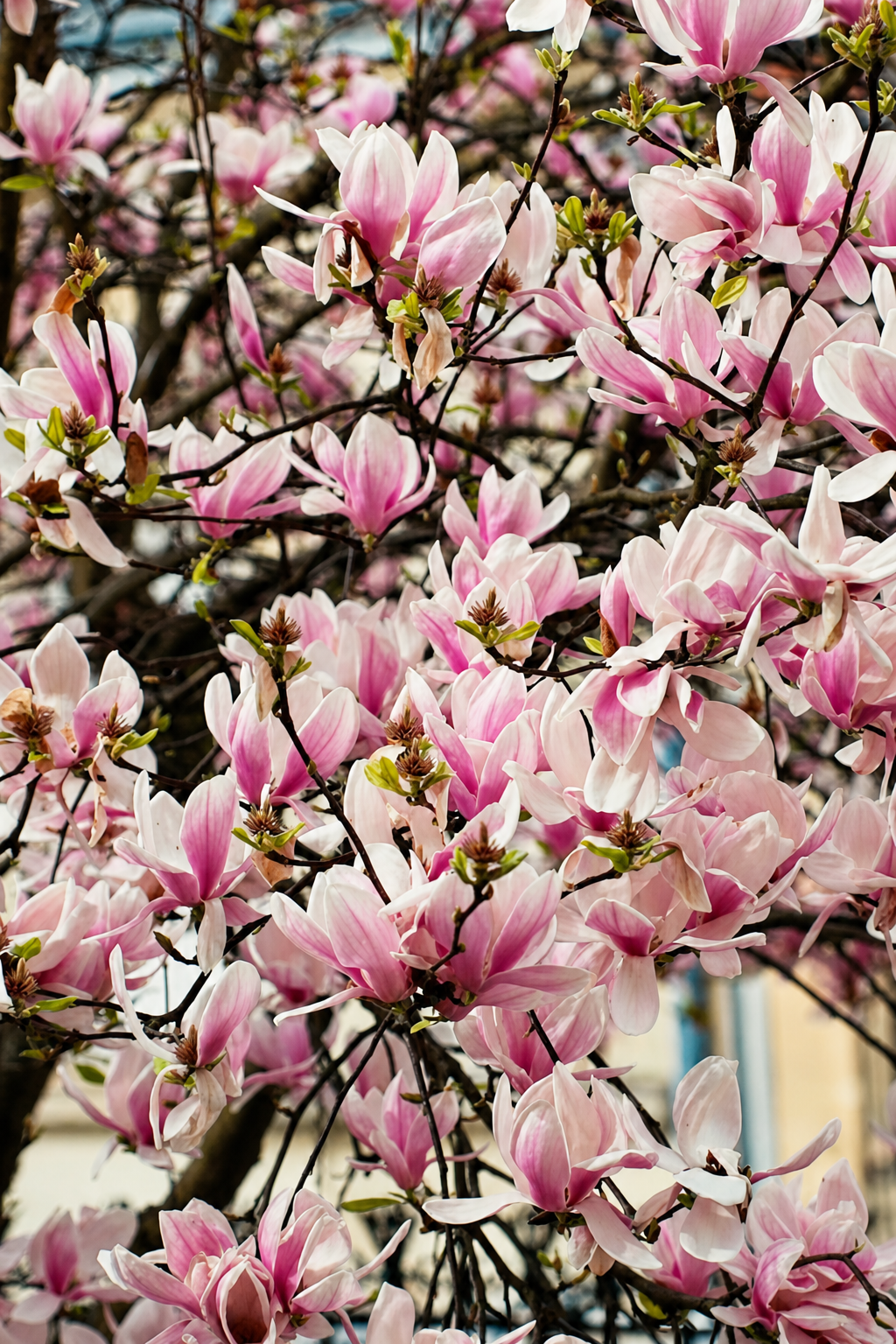
After months of bad weather on our Bordeaux renovation, the sun finally started to show its face. The magnolia went off like a firework, the garden began to bloom, and we ran out of excuses. It was time to face the job we’d been dreading: insulating the attic with wood fibre.
No More Excuses
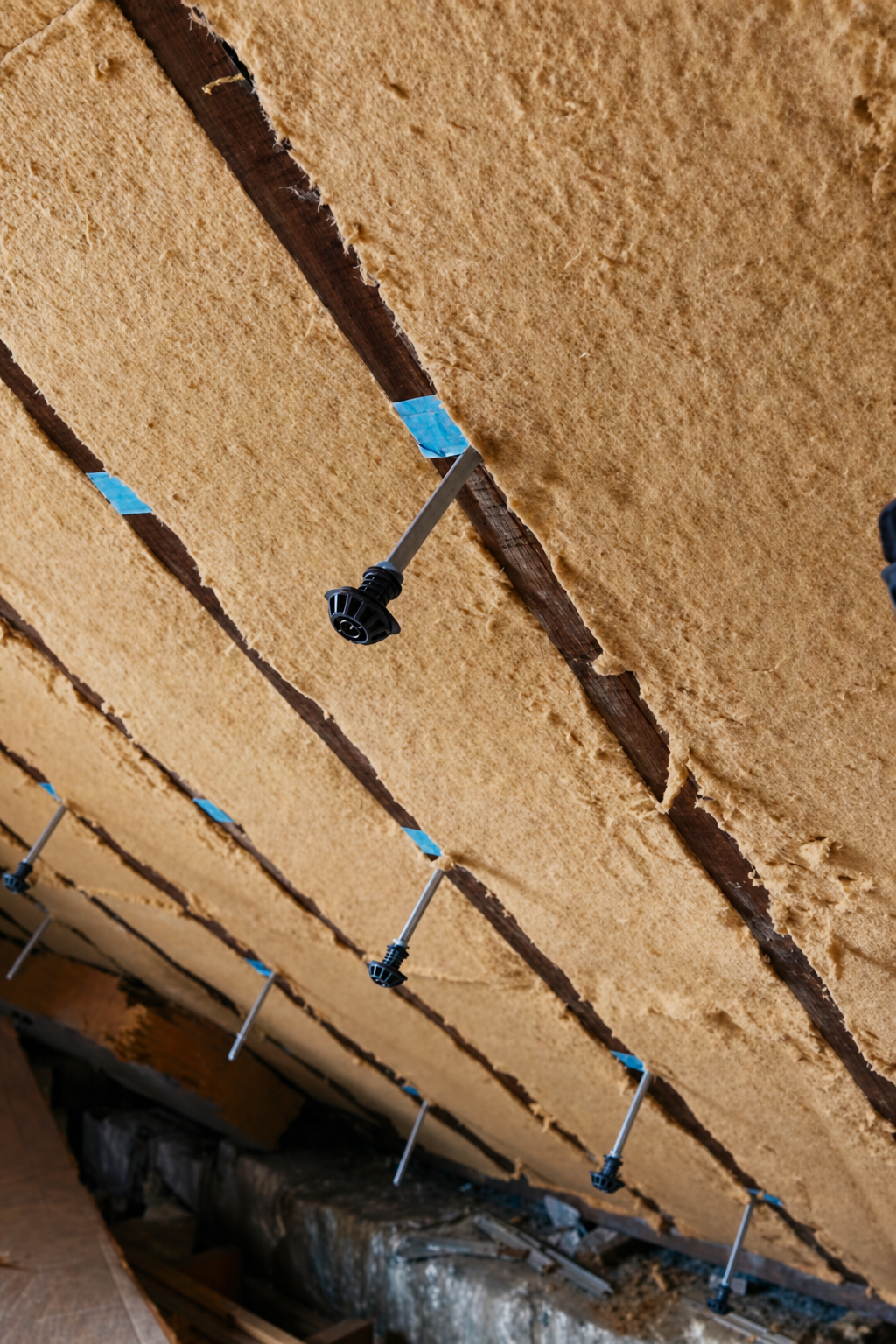
If you’ve been following along, you’ll know the attic has been prepared within an inch of its life. Battens up, geometry argued with, dust everywhere. The plan for the insulation itself is straightforward: flexible wood fibre batts pressed in between the battens, then a second layer running crosswise over the top of them.
The reason we kept putting it off is that we’ve worked with this stuff before, and cutting it was a nightmare. Wood fibre is lovely and dense, which is exactly what you want in a roof and exactly what you don’t want under a saw. Getting clean, accurate cuts was slow, scruffy work, and the offcuts went all over the shop.
A Jig To Save Our Sanity
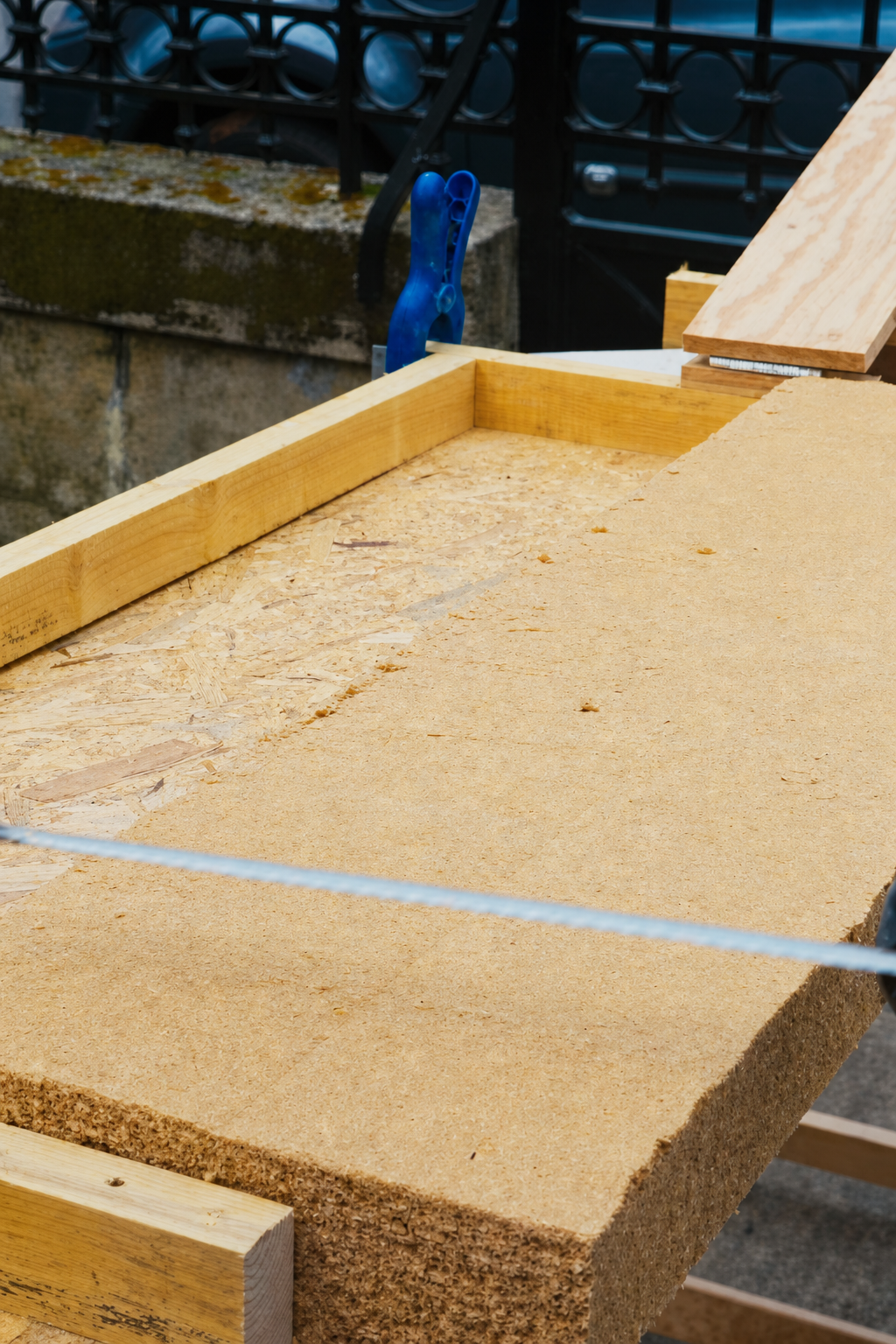
So before starting, I built myself a jig. It’s a simple platform: you slide the batt on, clamp it down, and a groove guides the saw so every cut comes out clean. Along the other side there’s a row of measurements and a straight edge, which means the repeated cuts between battens take seconds to set up instead of minutes of head scratching.
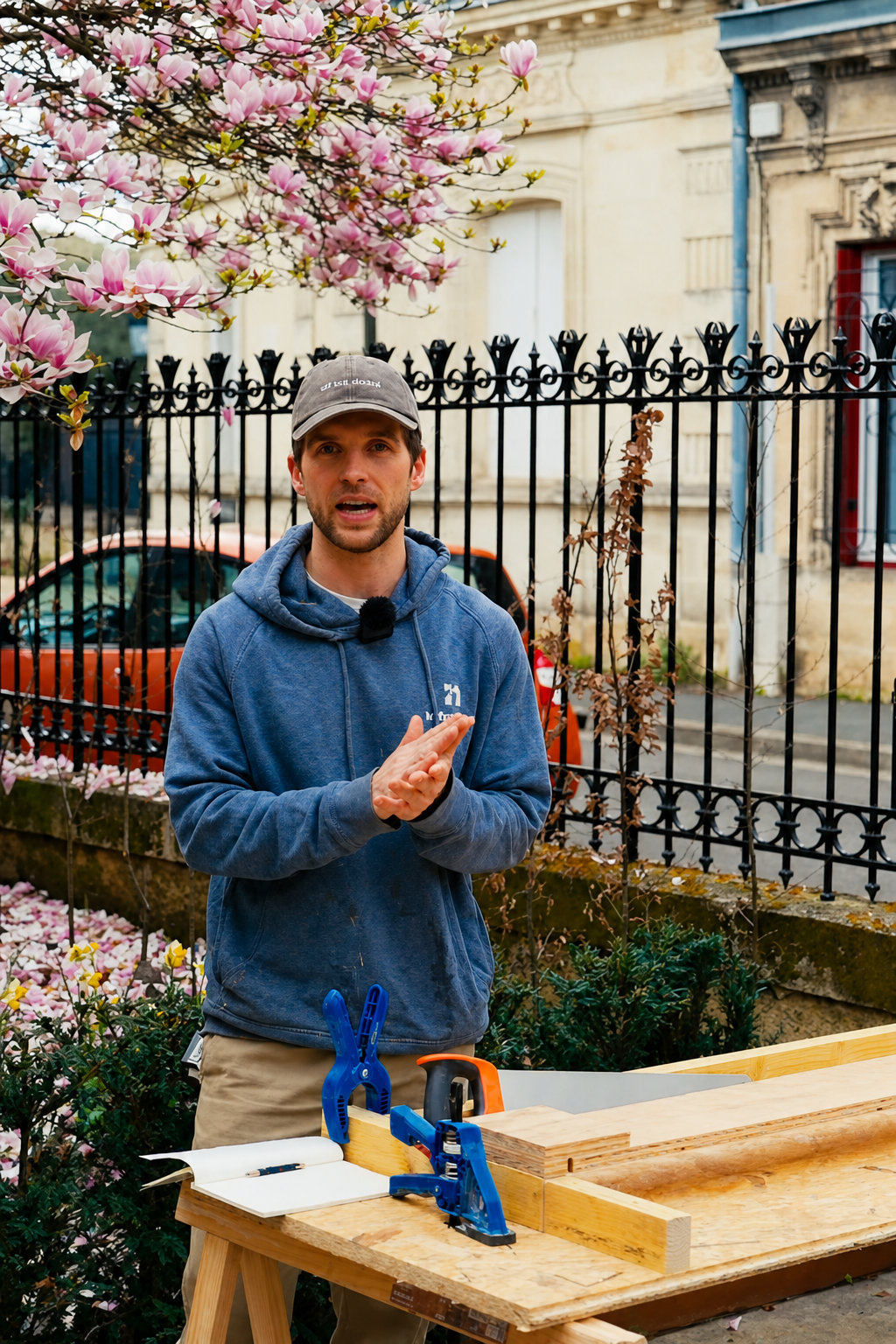
I’ll admit I spent a bit more time building it than I probably should have. But it paid dividends immediately. Cutting outside in the sun also keeps all that fibre dust out of the attic, and it made for a far nicer few days than being hunched under the roof.
Two Days In The Dust
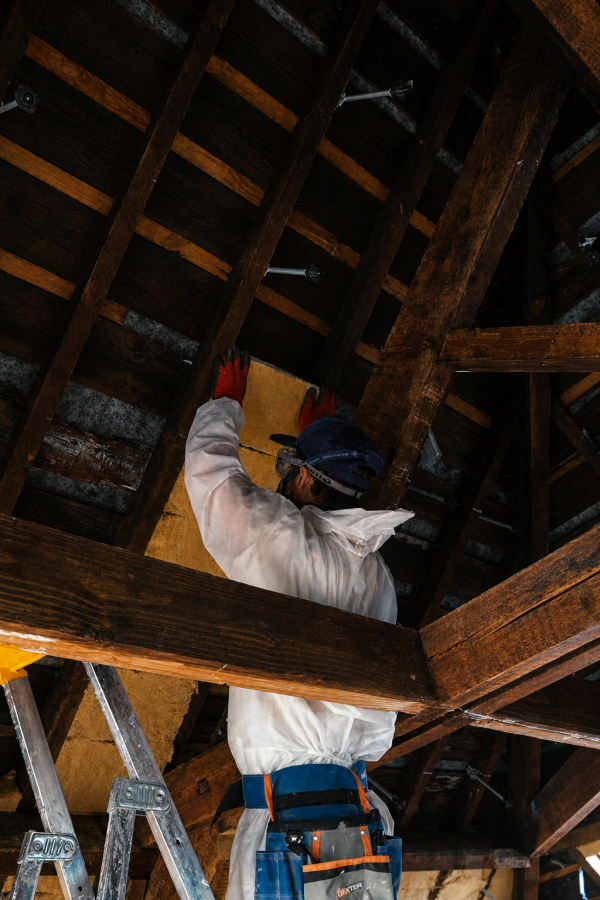
With a stack of batts cut to size, it was up the ladder and into the dust suit, which is extremely flattering to say the least. Day one went better than either of us expected: a full side of the attic insulated between the battens.
That night I had a proper nightmare that I’d fitted some of it wrong. So the next morning, before doing anything else, I test fitted the second crosswise layer in a few areas to check the theory. Happily, the theory held, and the second layer can go on with a clear conscience.
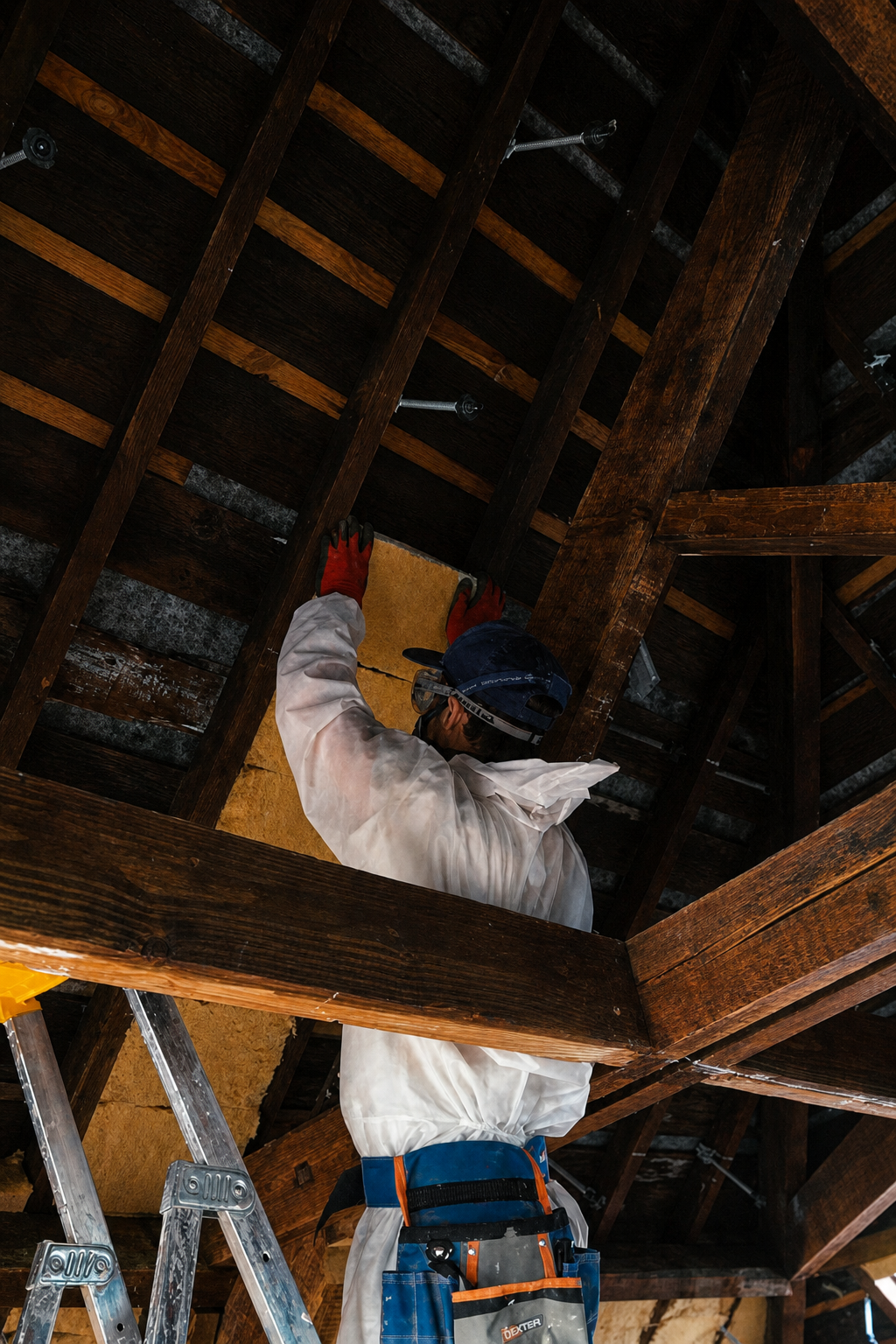
There’s something deeply pleasing about this job. Each batt gets cut a touch oversized, then springs into place between the battens and holds itself there, and slope by slope the roof turns from bare timber into a solid wall of soft yellow fibre. After two days we were covered head to toe, fibre in our hair, fibre in our lungs, fibre in places fibre had no business being. Worth it.
A Morning Off In The Chartrons
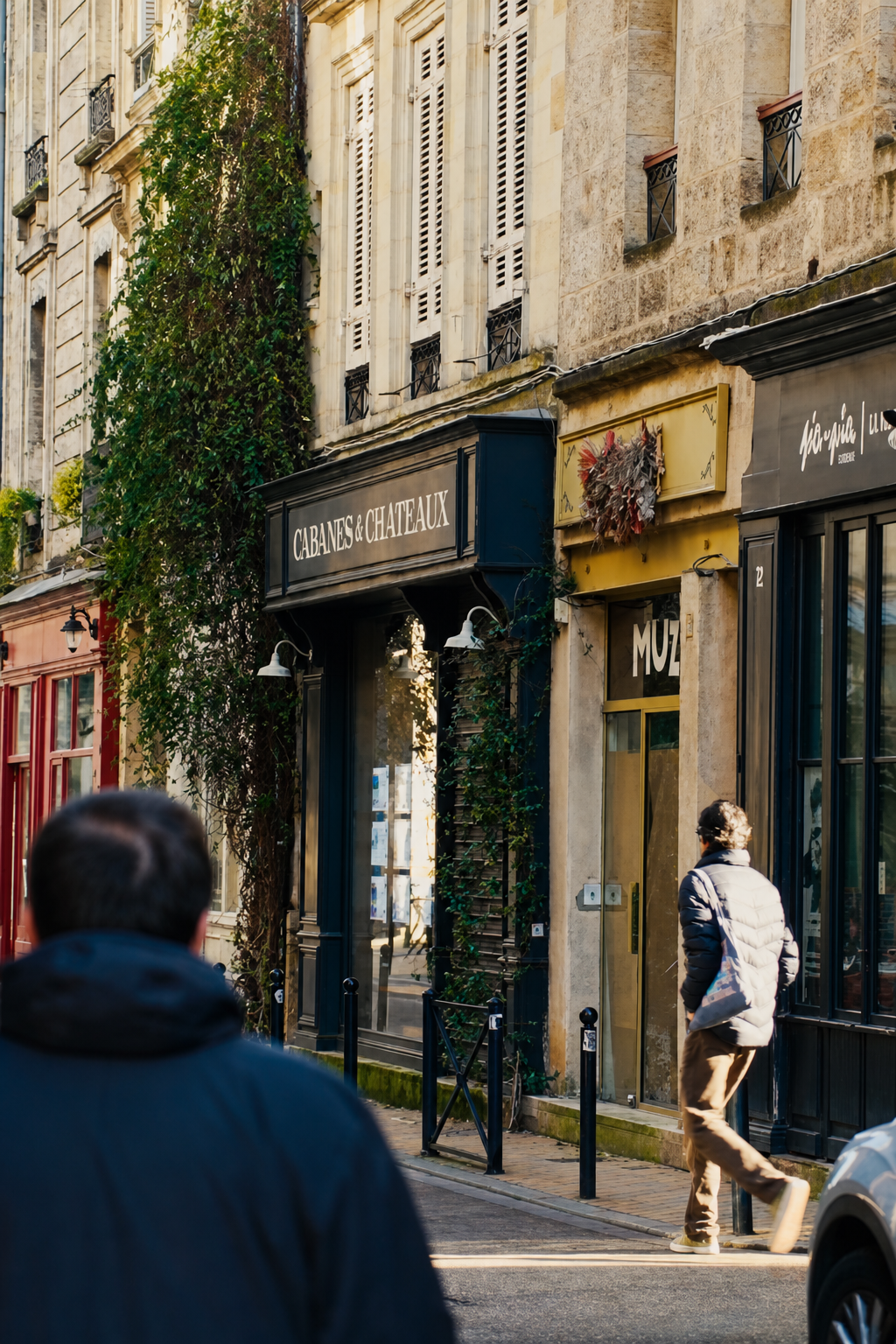
After two days of stuffing wood fibre into every corner of that attic, we needed a morning off, and one of those perfect late winter Saturdays had arrived. We washed off the dust, hopped on the tram and headed across town to our favourite corner of Bordeaux: the Chartrons.
Cobblestone alleyways, tall shuttered houses, iron balconies. This is one of the oldest neighbourhoods in the city, named for the Carthusian monks who settled here in the 14th century. By the 17th century, merchants from England, Ireland and Holland had made it their base, rolling barrels of claret down the quay beside the Garonne. The barrel merchants are long gone, and in their place you’ll find antique dealers, independent boutiques and, most importantly for us, some seriously good bakeries.
Our first stop was Boulangerie Notre Dame, on the narrow, romantic little street of the same name. There’s always a queue out the door in the morning, and it moves with the quiet purpose of people who know exactly what they’re about to eat. We picked up a couple of classics, starting with the humble chocolatine. You might know it as a pain au chocolat, but a word of warning: the north of France says pain au chocolat, the south west says chocolatine, and this is one of the great rivalries of French culture. Ask for a chocolatine and all will go smoothly. Ask for a pain au chocolat and you might get a baguette with a bar of chocolate stuffed in it.
Bread Baked Since 1765
From there we walked to somewhere special: Au Pétrin Moissagais, one of the oldest bakeries in Bordeaux, going since 1765. Bare stone walls, a long vaulted room, and at the far end, still in daily use, the original wood fired oven. The speciality here is pain gascon, a twisted loaf with a thick dark crust. Before the war, bread around here was bought once a fortnight, so Gascon bakers developed a heavy crusted loaf baked slowly, up to 90 minutes in a falling heat, to lock in moisture and last for days. No preservatives, only flour, natural leaven and time.
We planned, very sensibly, to save the bread for lunch. Then we strolled through the Jardin Public with the smell of warm bread wafting up from the bag, which was more than anyone could be expected to bear. We’d also cheekily bought another croissant. So we found a bench in the winter sun and wolfed down the lot.
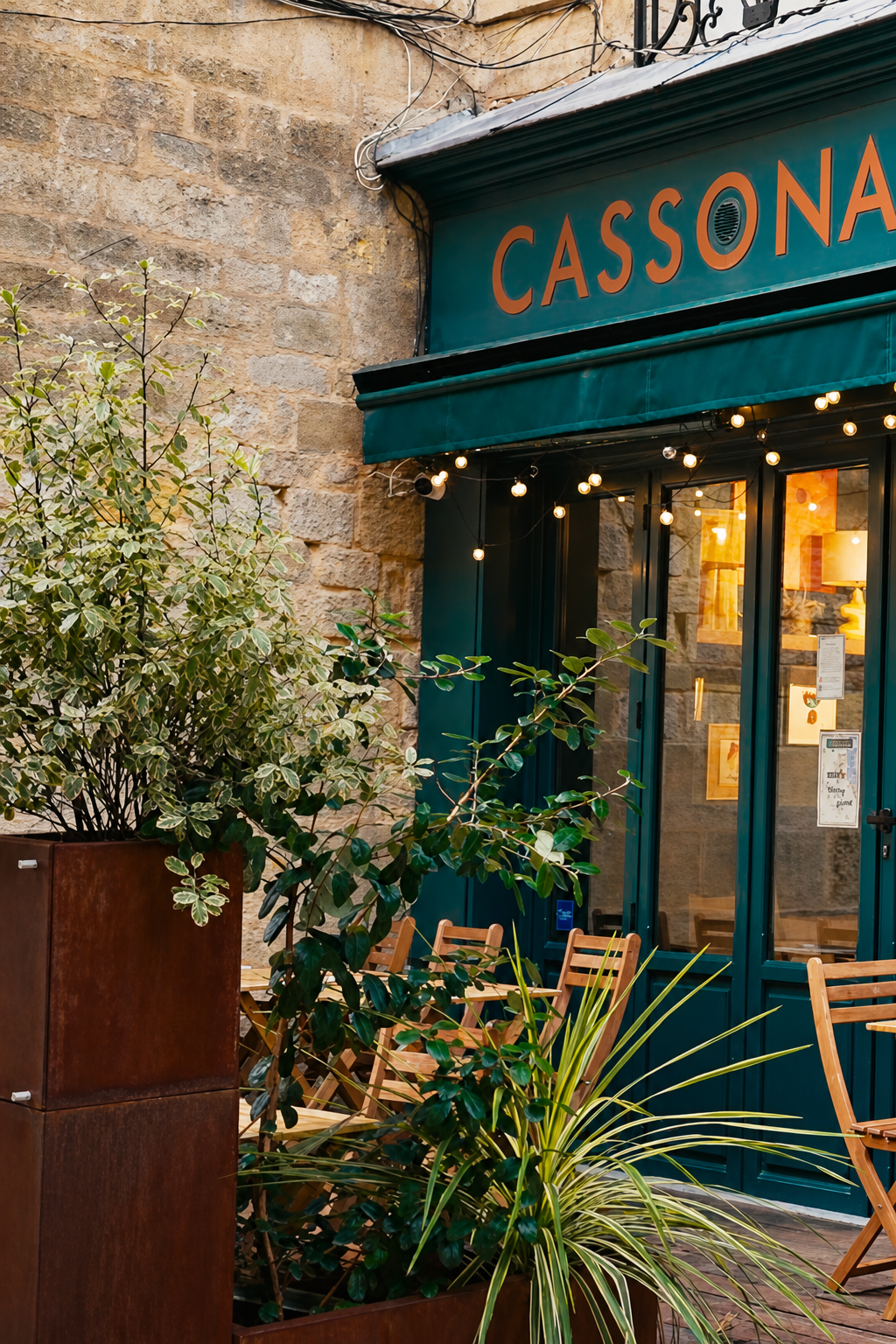
The last stop was essential: Cassonade, for Bordeaux’s most iconic pastry, the canelé. A small fluted cylinder, dark and crunchy on the outside, soft and custardy within, perfumed with vanilla and a whisper of rum. Legend has it the nuns at a local convent collected the egg yolks left over once winemakers had used the whites to clarify their wine, then combined them with the vanilla, rum and sugar arriving on ships from the Caribbean. You can find canelés all over Bordeaux, but for us, Cassonade is the best.
Then reality crept back in. There was still an attic full of wood fibre waiting for us at home. That’s alright. We’d eaten well, and the insulation will get there eventually.
The Greenhouse Gets Its Colour
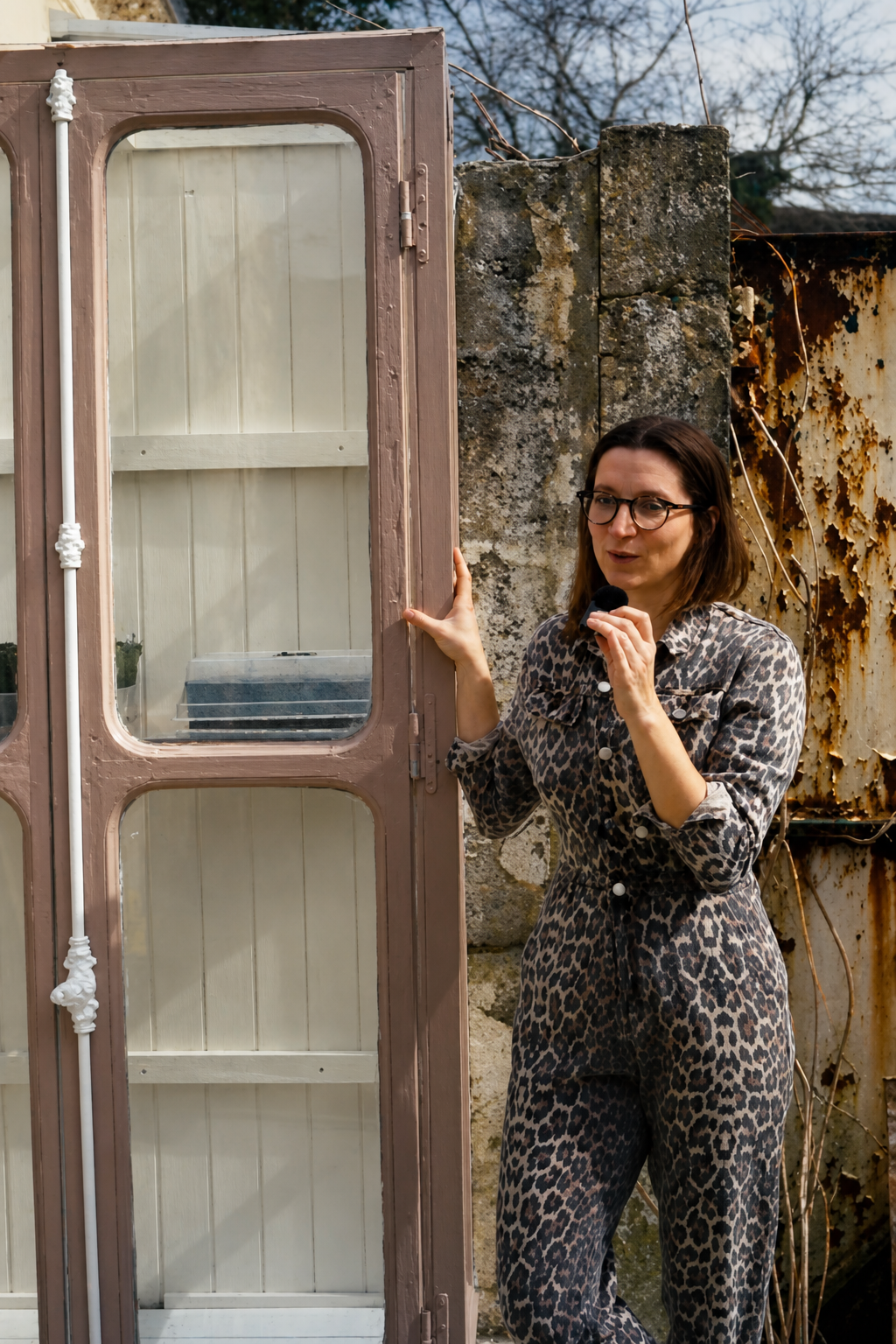
Meanwhile, the tiny greenhouse Romy built from windows salvaged around the house is officially finished, and the first seedlings are already inside. This solves a real problem: the house doesn’t get enough natural light to raise seedlings, and last year they came out leggy and went into the ground far too early. This year she can go wild with the seed packets, even if there may not be enough garden to hold the results. A problem for another day.
The big decision was the colour. Thank you to everyone who weighed in on the last video, and Romy read every suggestion. Light green came up the most, but that colour is reserved for the garden gate, which gets painted as soon as we get a few days of good weather. Blue like the front door came second, but the door beside the potting area is being replaced and painted that same blue, and two blue elements that close together felt like one too many.
So she chose London Stone by Farrow & Ball, a warm, natural colour that sits quietly next to plants and should work with the green gate, the blue door and the wall behind, which is due to be re-rendered once we get ten dry days in a row. None of it makes full sense yet, and that’s fine. Once the gate, the new door, the fresh render and a potting table are in place, it will all come together.
The attic still needs its second layer of insulation, so the dust suit will be back. If you want to see the jig in action, the full bakery crawl and the greenhouse reveal, the video is at the top of this post. Come and say hello in the comments, and if you’ve ever had a better canelé than Cassonade’s, we’re prepared to hear your case, purely in the interest of science.