As August loomed, les grandes vacances were reaching fever pitch, and for once we joined in. We hadn’t planned on taking any time off, but at the last minute we said yes to a house exchange with a friend in Brittany. We packed in a hurry, and the timing turned out to be better than we knew. The forest fires in Gironde started the day before we drove away.
Leaving A Smoky City
The fire was still small when we left on the Friday afternoon, and then it wasn’t. We’re lucky that the house sits inside the city, so it was never under any real threat, but that doesn’t stop the worrying. Romy’s mum stayed behind looking after Phoebe, and since she also works as a cat sitter, she ended up with six cats on her hands, a few of them from evacuated areas. Friends and colleagues were evacuated too.
So the holiday came with a strange split-screen feeling. We were grateful to be away from the smoke, and at the same time part of our brains stayed glued to our phones, watching where the fire was and thinking about everyone back home.
A House That Simply Worked
Our friend had exchanged her place in the Dordogne for a house at the other end of the country, and it could not have been less like ours. Our chartreuse is limestone, single storey and symmetrical, built to be handsome first and comfortable a distant second. This was a new build, timber clad and tall, tucked into a Brittany hillside with modern interiors and buckets of light. After a good part of two years spent arguing with an old building, staying somewhere that simply worked was a strange and slightly disloyal pleasure.
We left Bordeaux on the Friday afternoon, past the vines, then the pines, and somewhere beyond Nantes the country starts to change its mind about what it is.
An Inland Sea
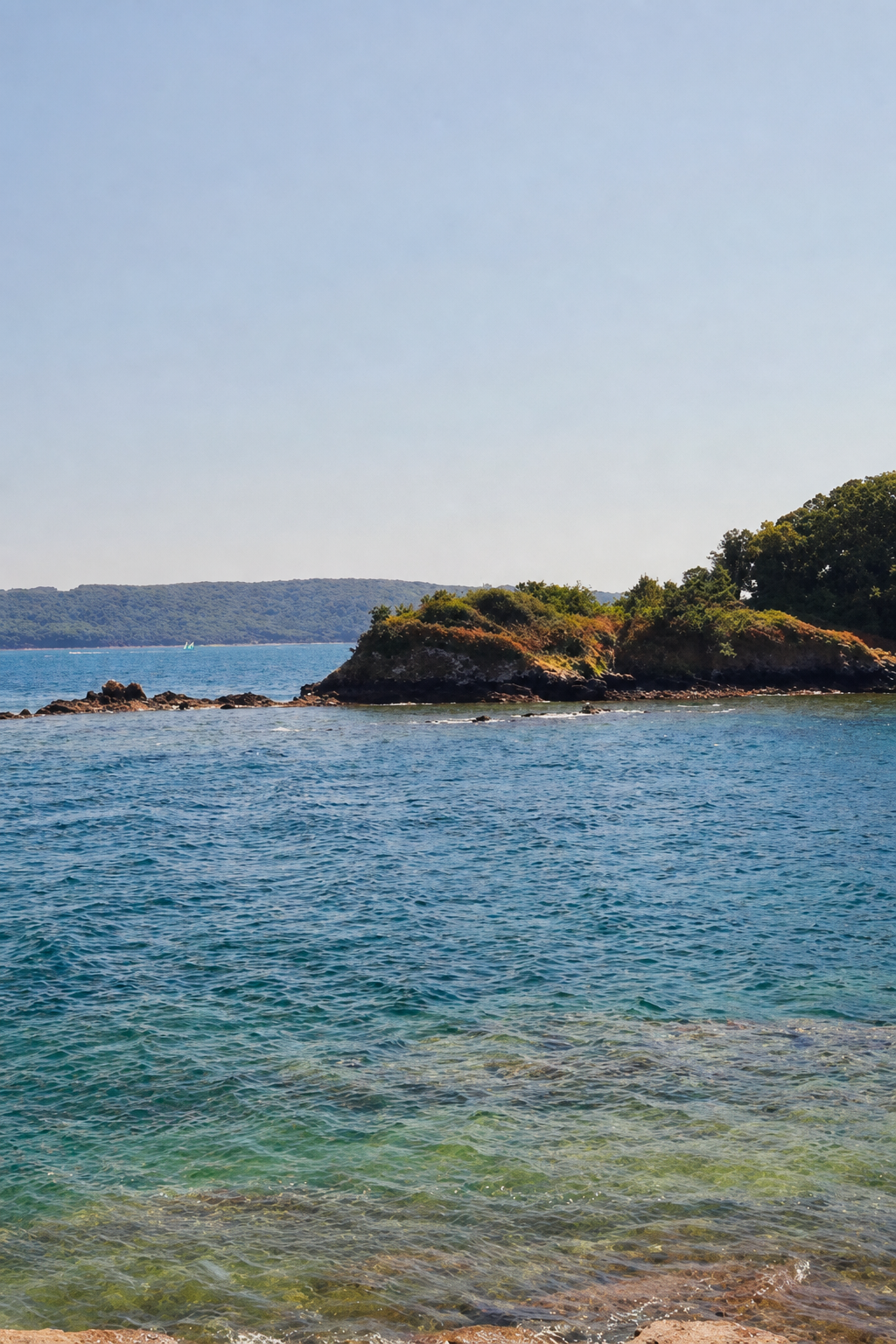
The house looked out over Plougastel, right at the western tip of Brittany, on the peninsula between two rivers, the Élorn and the Aulne. Both of them empty into the Rade de Brest, a river system that drowned. When the ice melted and the sea came up, it flooded a whole network of valleys, leaving a sheltered inland sea that reaches the Atlantic through one narrow strait.
So the water here is calm and the beaches are small and pebbled, with old oaks leaning over the stones and throwing shade across them through the afternoon. The water is cold, flat and clear, running from deep blue to light turquoise. There’s a whole landscape under there, hills, valleys and riverbanks, and you’d never know it looking at the surface.
Granite With Its Back To The Wind
Sit by that flat grey blue water long enough and you start wondering who else has sat there. The Romans called this coast Armorica, roughly the place by the sea. The name Brittany came later, from Britons crossing the channel in the 5th and 6th centuries. For most of the middle ages it was its own country in all but the final detail, an independent duchy from the 10th century with its own parliament, laws and taxes. That ended slowly and then all at once. Anne of Brittany married two kings of France in succession, the union with France followed in 1532, and Brittany held on to its privileges as a province until the revolution abolished them in 1790.
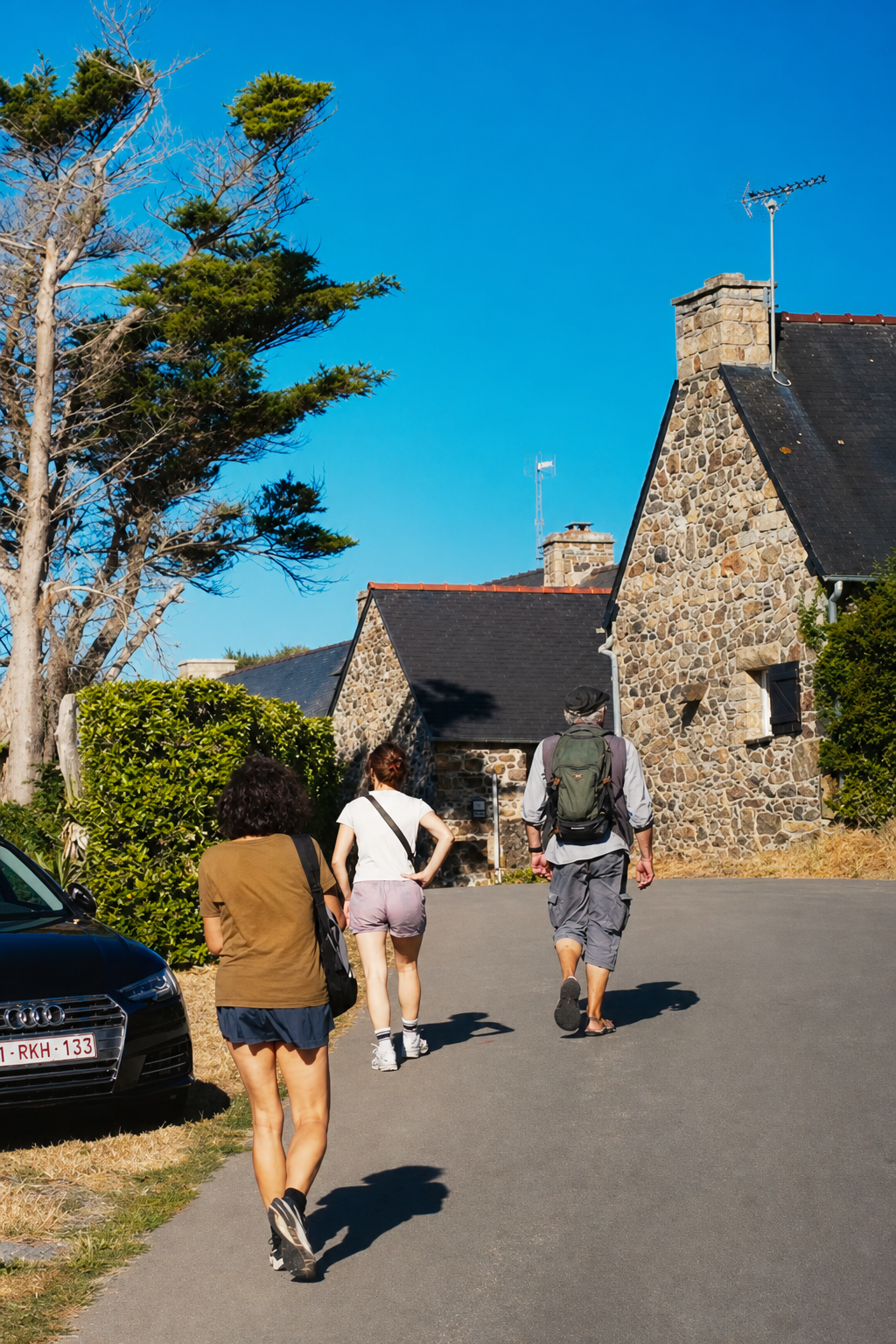
The old housing stock around the Rade is nothing like what we’re used to. The two traditional forms are the penty and the longère. Penty is Breton for end house. Small, low, granite, walls half a metre thick or better, and very few openings. The longère is the same idea stretched out, a long low rectangle of twelve metres and upwards with its back turned to the prevailing westerly, very often several separate buildings that got joined together over the generations.
Armor And Argoat
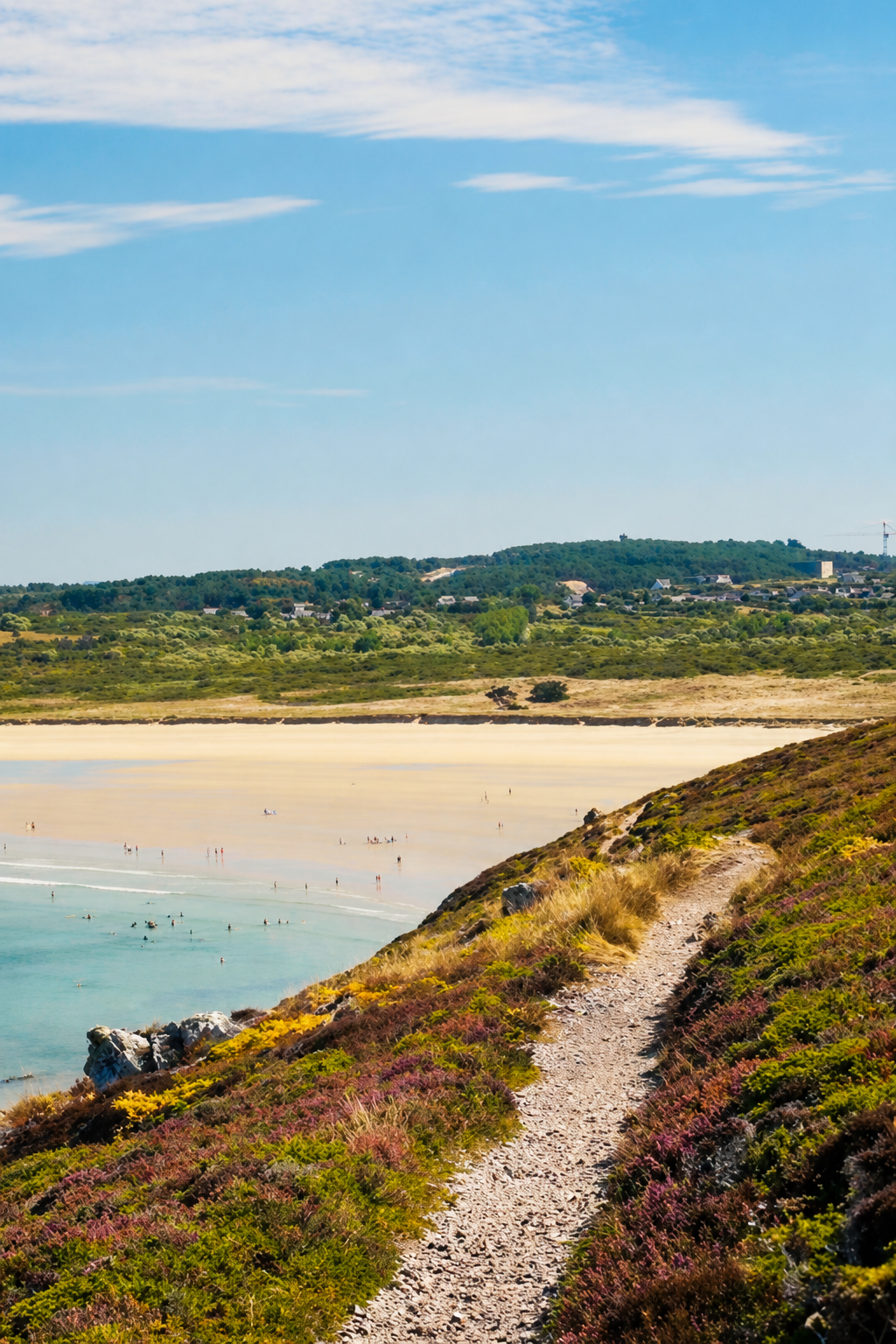
We spent most of the holiday pottering around on walks or lounging by the beach, and the thing that kept getting us was how fast the country changes. Around the house it was small valleys and bocage, those deep hedge and bank field boundaries, with intimate little beaches tucked underneath. Half an hour away, out on the Presqu’île de Crozon where Romy’s father chose to retire, the coastline turns jagged and the patchwork of hedgerows gives way to heather, gorse and pine.
There are two reasons for it. The first is the rock. Brittany is the western end of a mountain range that finished forming about 350 million years ago and has been eroding ever since, leaving a patchwork of granite, schist and sandstone with sharp boundaries between them. Different rock, different soils, different country. The second is the wind. The westerlies come off the Atlantic carrying salt, and anything exposed to them gets pruned. That’s why the headlands wear heather and low gorse, the same plants that would happily be shrubs and small trees fifteen minutes inland. The Bretons had two words for it: Armor, the land by the sea, and Argoat, the land by the wood.
One day we wandered ornate gardens tucked into the grounds of old abbeys, the next we came home wind burnt from hiking up and down cliffs on the barren stretches. There seemed to be something for everyone.
Falling For Le Perche
Our time in Brittany was over, but one small chapter of the holiday remained. To break up the long drive south we tacked a second stop onto the end and headed east into Normandy, to a region called Le Perche. If you’re watching from outside France, there’s every chance you’ve never heard of it. It’s a regional natural park created in 1998, covering about 180,000 hectares and 91 communes, and we’d been hearing about it for years. Manor houses, deep countryside and a picturesque housing stock.
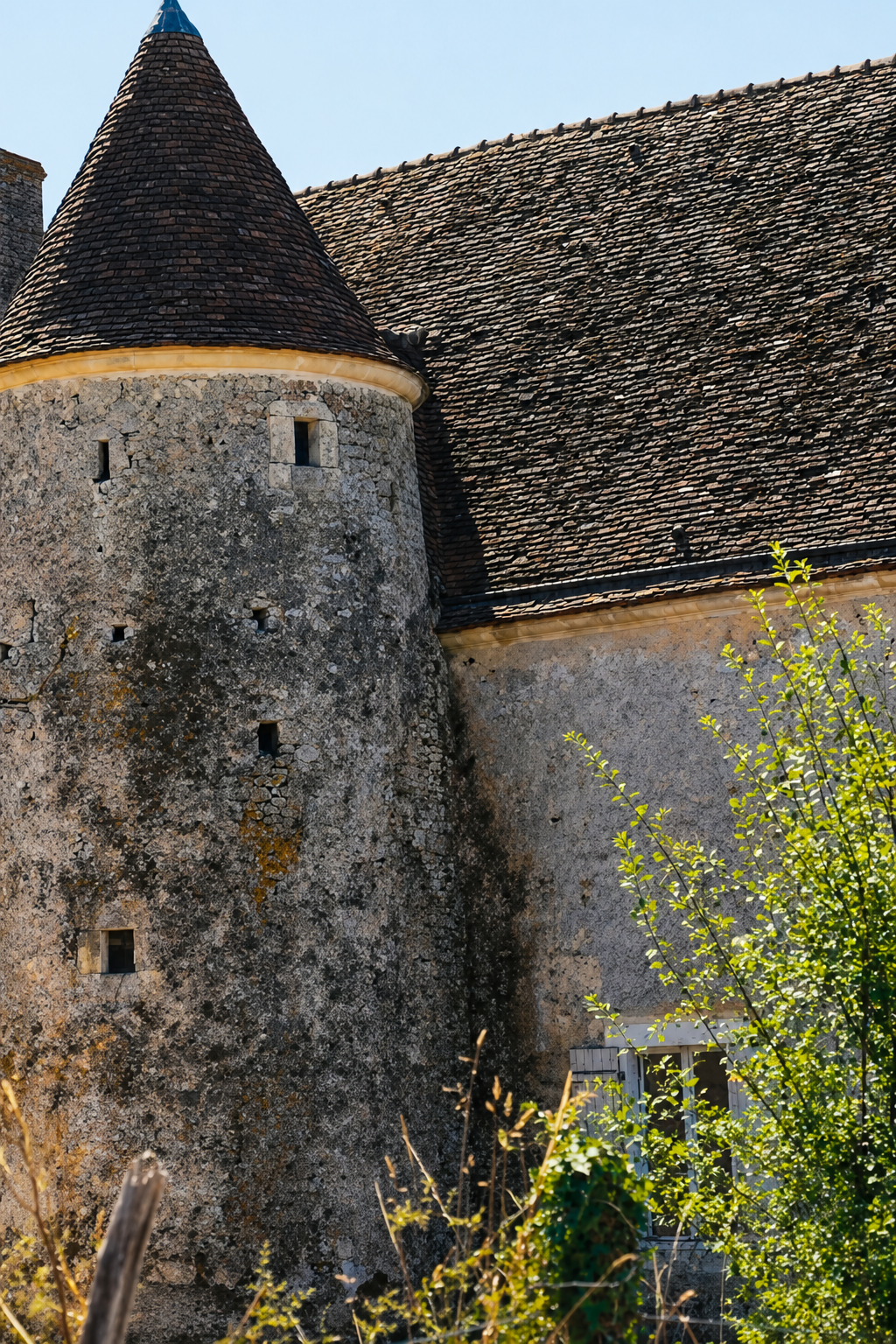
Because one day, once our chartreuse is finished and we’ve had a few years of actually living in it, we’d like to take on something bigger. More land, more building, a project to disappear into. Le Perche looks nothing like Brittany. No grey, no granite, no slate. Everything is golden, rust coloured and rough, under roofs of small flat terracotta tiles gone soft and orange with age. That palette comes straight out of the ground: an iron rich sandstone that runs brown and red, a harder rusty stone that sits near the surface for corners and lintels, white limestone for the finer dressings, and underneath it all, deep sands with enough clay in them to go straight into a lime render.
Our rental was a textbook example, a family house of 16th century origin with a stone stair up to the front door and a barn beside it still pinned together with iron tie bars. Built for a farm, and now mostly a place to lie down in August. We spent the evenings planning our remaining days badly and happily. Which lane, which village, which house we’d stop the car for.
Then Romy’s mother rang.
The Dash Home
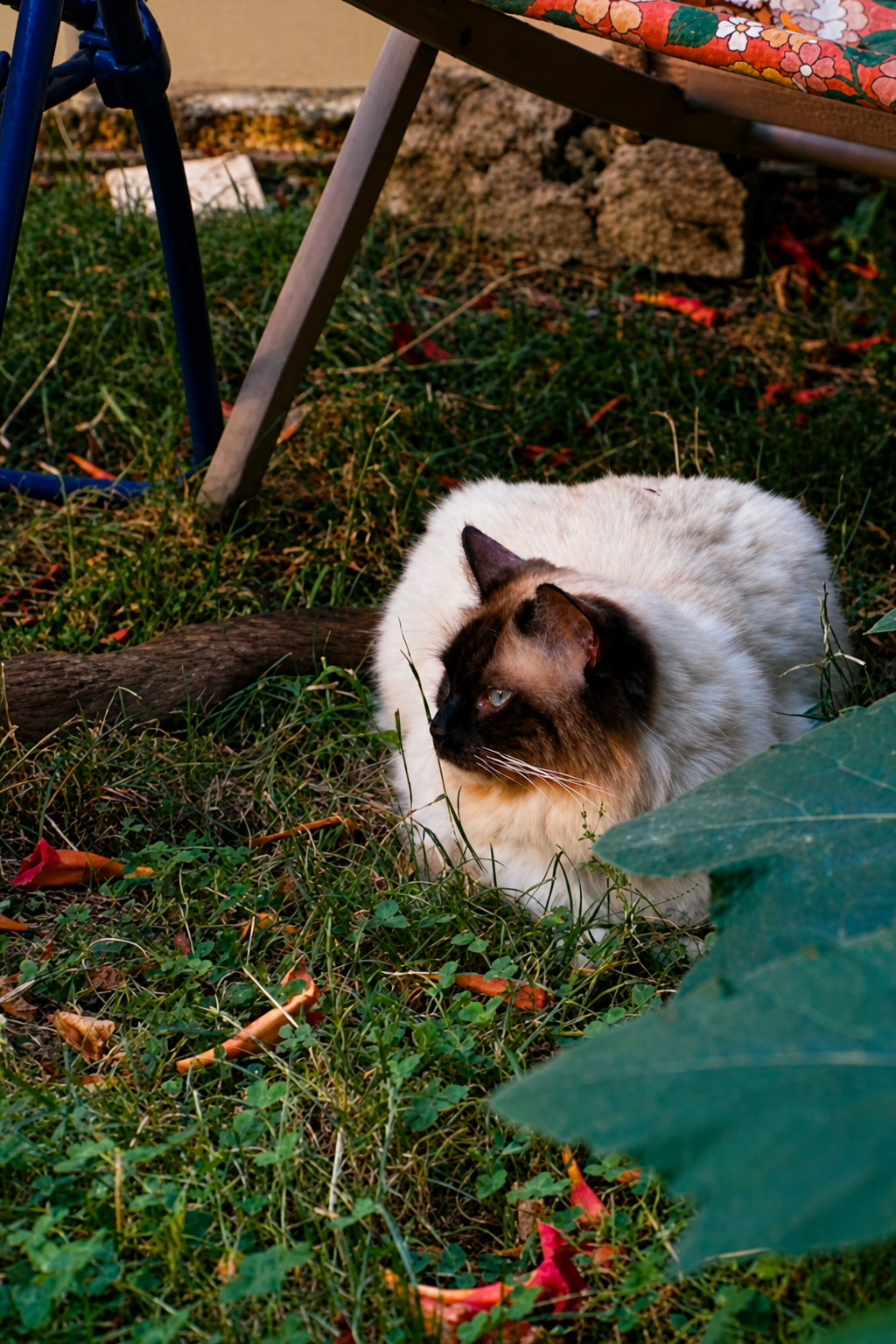
Phoebe was missing. We cut the holiday short, packed the car and drove for Bordeaux in a rush. We were halfway down the motorway when the good news reached us. A neighbour who was away on holiday had left a roof window slightly ajar, and Phoebe had climbed through and couldn’t get back out. Luckily, other neighbours had keys, and she was retrieved unharmed and unbothered.
We carried on home anyway. After a scare like that we wanted to be in our own garden with our own cat, and there were a couple of spare days left before work to potter about and let the stress drain away.
Back Up In The Attic
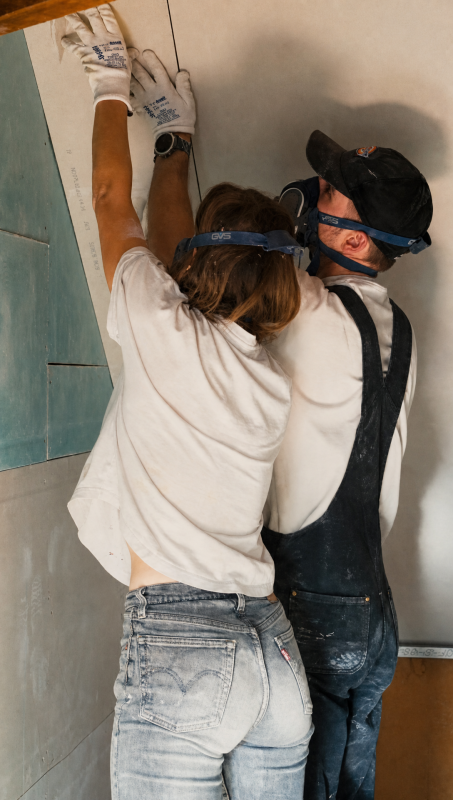
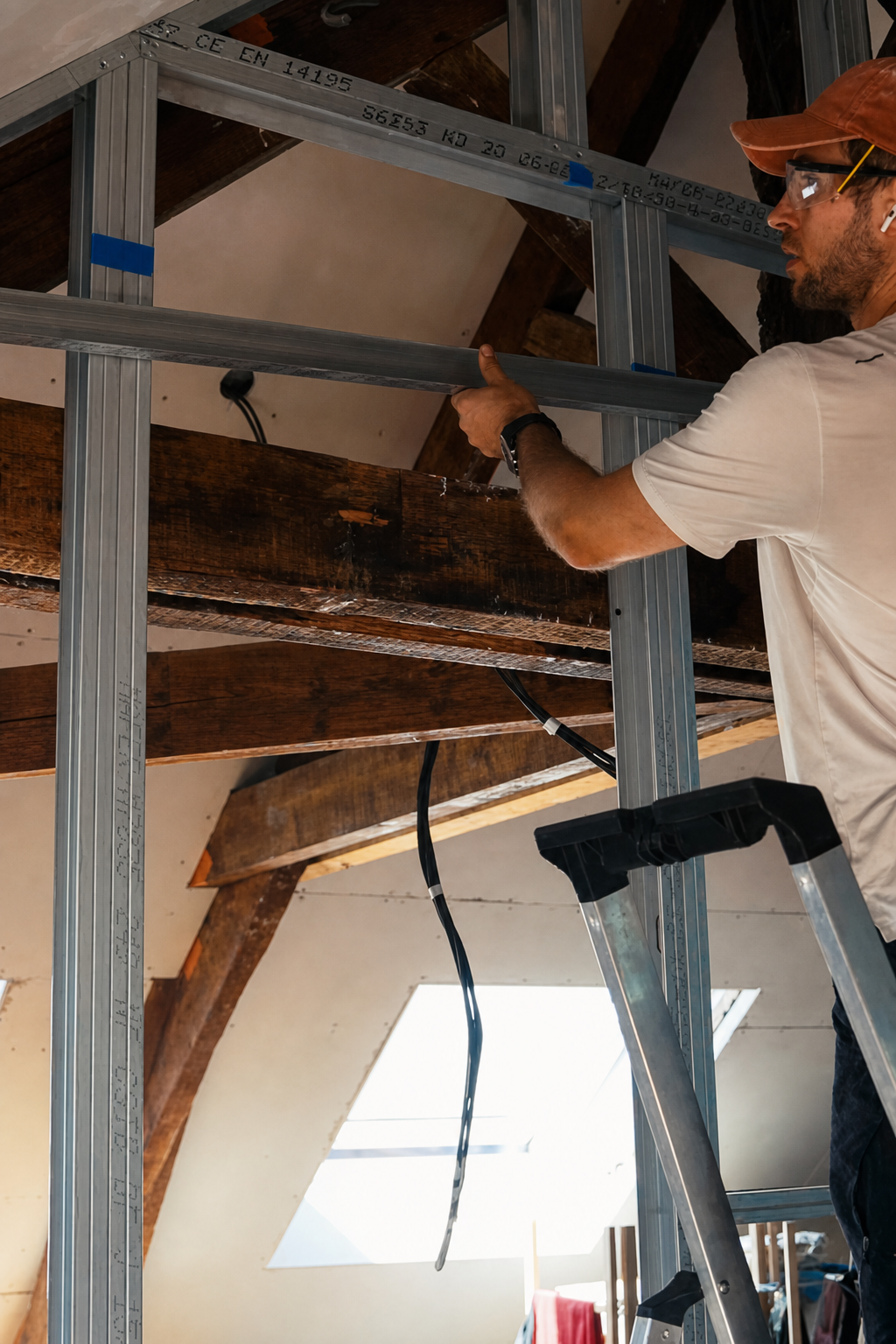
The renovation picked up where it left off, which is to say, with my back. Finishing the railing work in the last video wrecked it, and plenty of you predicted exactly that in the comments. Consider me told. After a week of rest and exercises it was behaving again, so I climbed back up to tackle the rest of the ceiling and the railings that run between the upper beams to separate the rooms. They’re fiddly and awkward, and I’m looking forward to never doing another one.
The false ceiling in the passageway had other plans for me too. I’d deliberately set it low to leave room for the air conditioning unit above, but once it started going up it looked too low for my liking. So I took the whole thing down and inched it up again. The installers may have opinions about the space I’ve left them. I’ve decided to ask for forgiveness rather than permission.
The Dusty Stuff
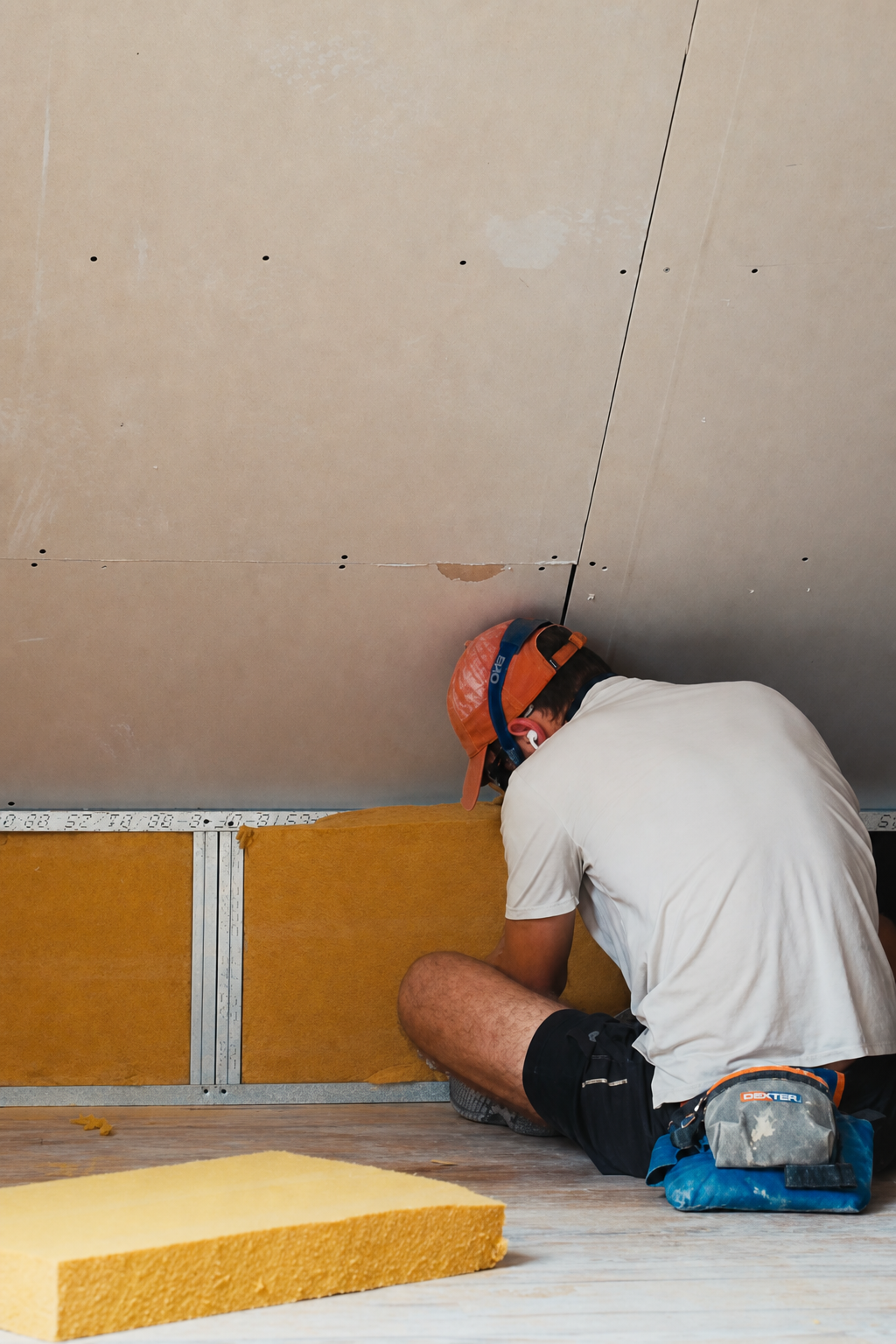
Then came the insulation. If you’ve followed the channel for a while, you know I absolutely hate this stuff. Insulating the attic floor was one of the worst jobs Romy and I have done, because the dust got everywhere, and I had no confidence this round would be any better. I ran an online calculation for how much I needed and I think I over ordered, but better too much than too little.
Not all of it can go in yet. Several walls have to wait for the builders before they can be closed up, so the attic will be a bit stop start for a while. I got one room done on the outside and stopped there before I went crazy. Working insulation into the corners of a sloping attic is the worst position to do anything in, and by the end I was covered head to toe in dust and headed straight for the shower.
The whole trip is in the video at the top of this post, from the Rade de Brest to Le Perche, along with Phoebe’s safe return and every dusty minute in the attic. Next episode carries on with the insulation, plus some new projects starting downstairs that we’re excited to show you. If you know Le Perche, or you’ve renovated in Brittany’s granite country, we’d love to hear about it in the comments.